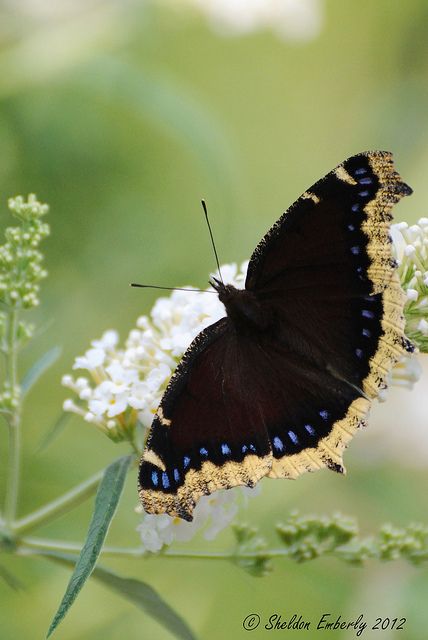
It’s rare to spot a speckled butterfly swooping across a snowy scape. Yet, the mourning cloak butterfly is a unique exception…in more ways than one. These butterflies are special in almost every aspect!
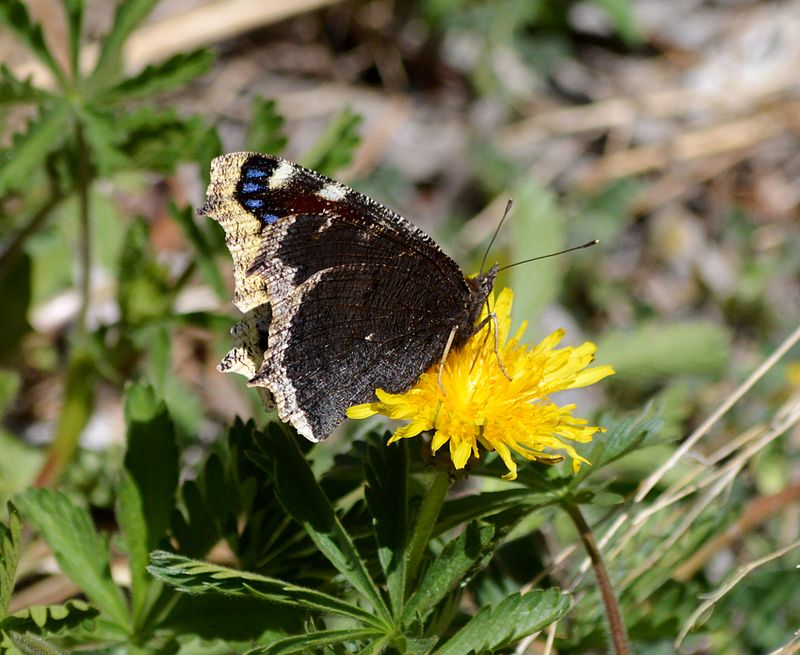
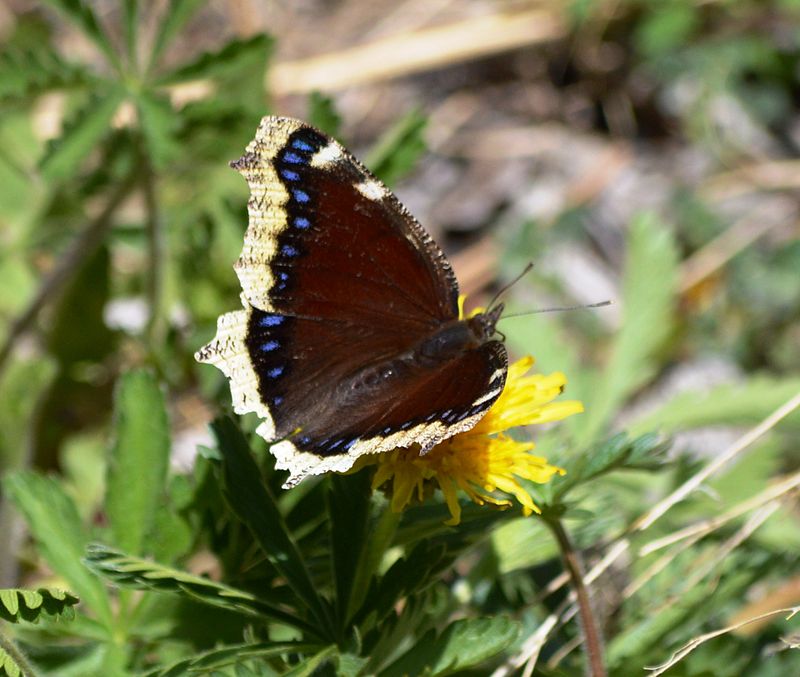
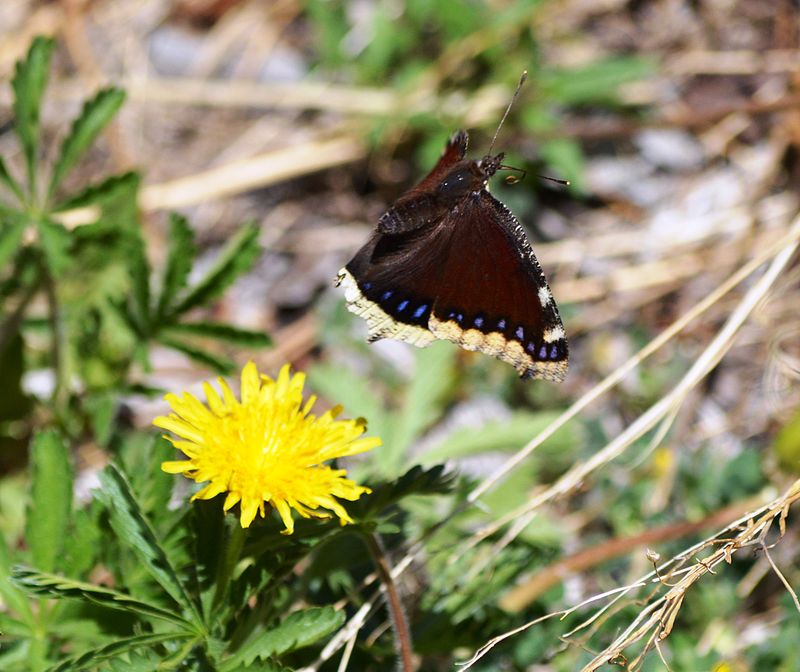
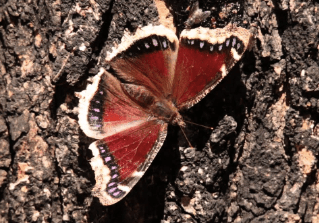
For starters, their name. It seems odd to name a butterfly after something as dreary as death! Mourning cloaks were given their title due to their velvet brown covering, which spans across the majority of their wings. The covering is similar to a mourning cloak worn during grieving. Both male and female mourning cloaks actually look the same!
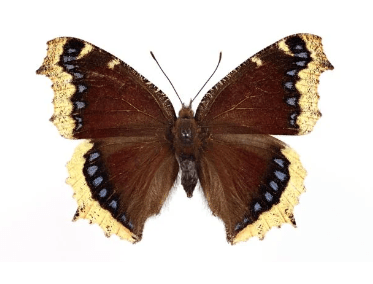
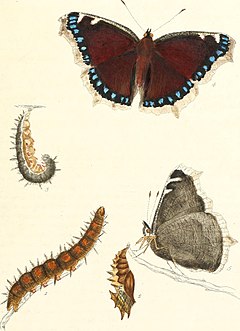
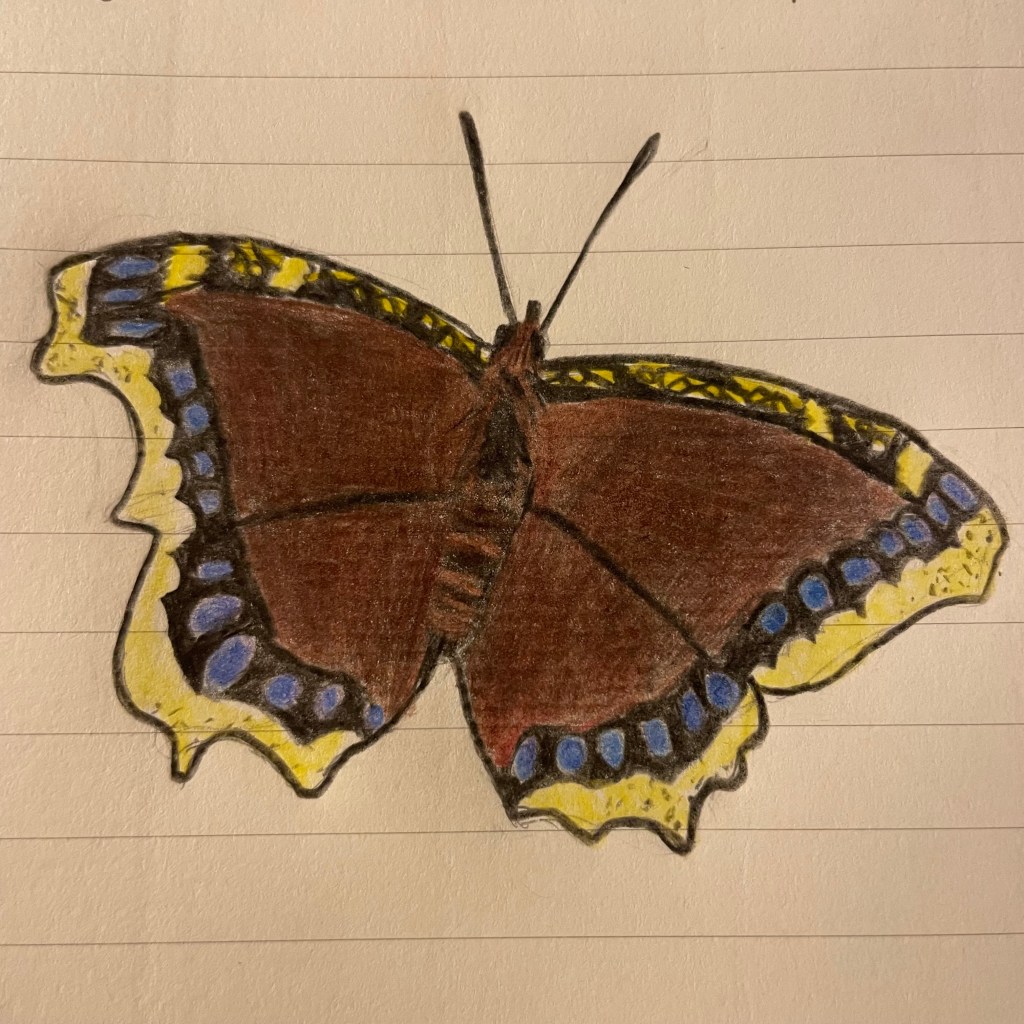
A black border, dotted with purple-y blue, iridescent specks, outlines their wings- the edges of which are tinged with bright yellow. It’s a daring glow of bright happiness after solid darkness. Now that’s exactly the narrative of a mourning cloak!
Mourning cloaks actually hibernate and emerge during late Winter! While most butterflies migrate or wrap up in chrysalises or pass away before Winter arrives, mourning cloaks can be found underneath bark, between rock crevices or buried inside leaf piles. This ability to live throughout Winter gives them the longest life span of ten-months!
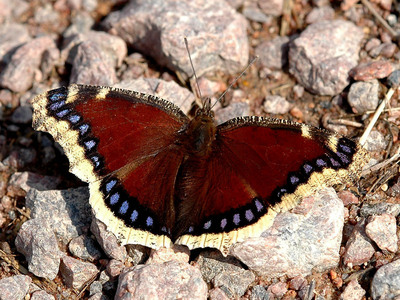

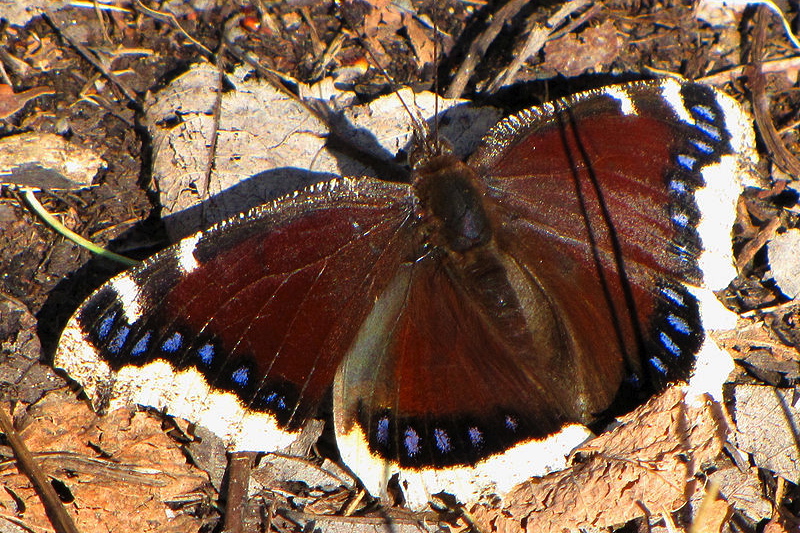
The fluttering creatures are spotted during the first sunny days in the new year. But what is there for mourning cloaks to eat in a snow-coated world?
Mourning cloaks actually sip on tree sap!
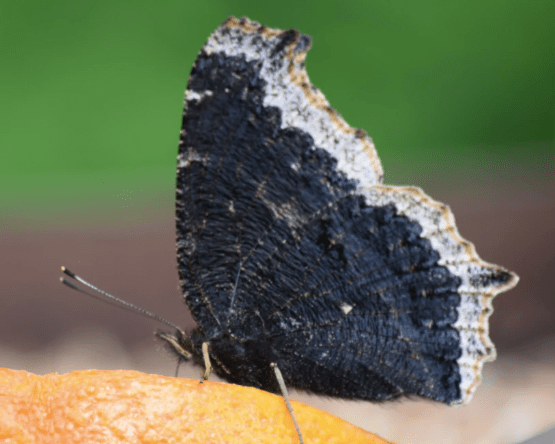

Although, after snow has melted and plants get back to producing, mourning cloaks enjoy nectar and rotten fruit. Even their diet is unique, just like so much else about these butterflies!
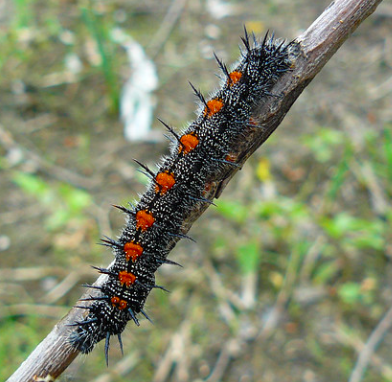
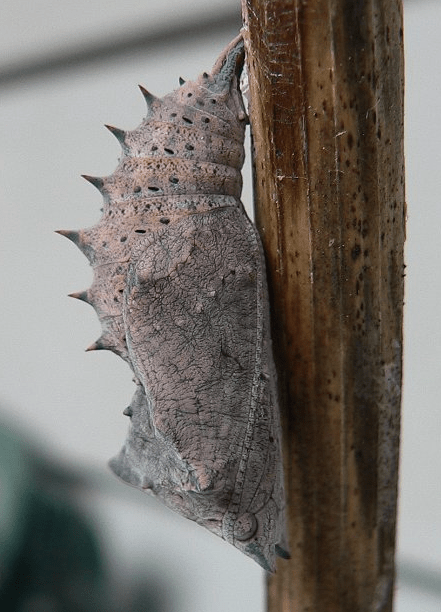
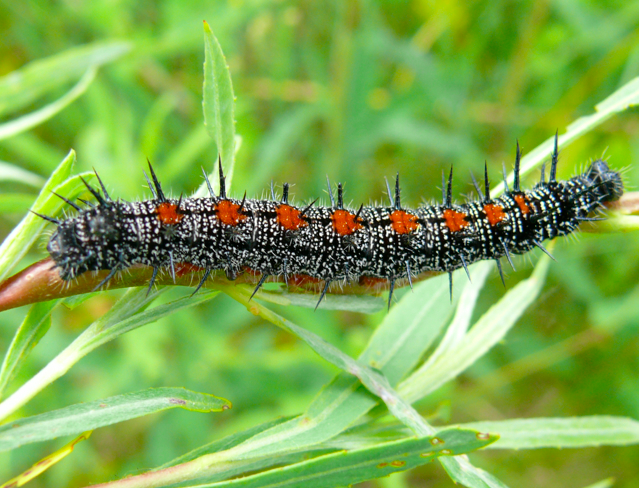
Yet like all butterflies, their story as caterpillars begins in Springtime. But of course there’s a catch even with the larvae of these creatures! Spiky spines protrude from the sides of mourning cloak caterpillars and their chrysalises, to scare off predators. Furthermore, their colors actually resemble those of their final butterfly form- which is very rare.
How these caterpillars came to be is yet another odd story. The mating dance between two butterflies is an upward spiral, up to 60 feet high! Afterwards, one butterfly comes crashing down to the ground.
Where can these creative creatures be found? Well, just about everywhere!
Mourning cloaks are distributed throughout Europe, Asia, and North America.
Credits:
Information:
Williams, T., & Isbell, C. (2020). Earth Almanac. Storey Publishing.
Collicutt, D. (n.d.). Butterflies In Snow! Mourning cloak butterfly (Nymphalis Antiopa). Retrieved January 4, 2023, from http://www.naturenorth.com/spring/bug/mcloak/Fmcloak.html
Insectic. (2022, January 31). Mourning cloak butterfly – species profile & facts. Insectic. Retrieved January 4, 2023, from https://insectic.com/mourning-cloak-butterfly/
Pollinator Conservation Association. (n.d.). Mourning Cloak. Pollinator Conservation Association. Retrieved January 4, 2023, from http://www.pollinatorconservationassociation.org/mourning-cloak.html
Photos:
Butterfly on Rocks by: Sandhill Wildlife Area, Wood Co., WI
Butterfly on Bark by: David Moskowitz
Butterfly on Leaves by: Gordon E. Robertson
“Mourning Cloak Feeding on Tree Sap” Video by: Justin Hoffman
Butterfly Eating Orange by: gardeninacity . com
Chrysalis and Caterpillar on Green Leaves by: prariehaven . com
Cover Photo by: Sheldon Emberly on Flickr
Discover more from The Home of Cottagecore
Subscribe to get the latest posts sent to your email.
 The Home of Cottagecore